The detached single-family home has lost its title as the most common type of rental housing in the United States.
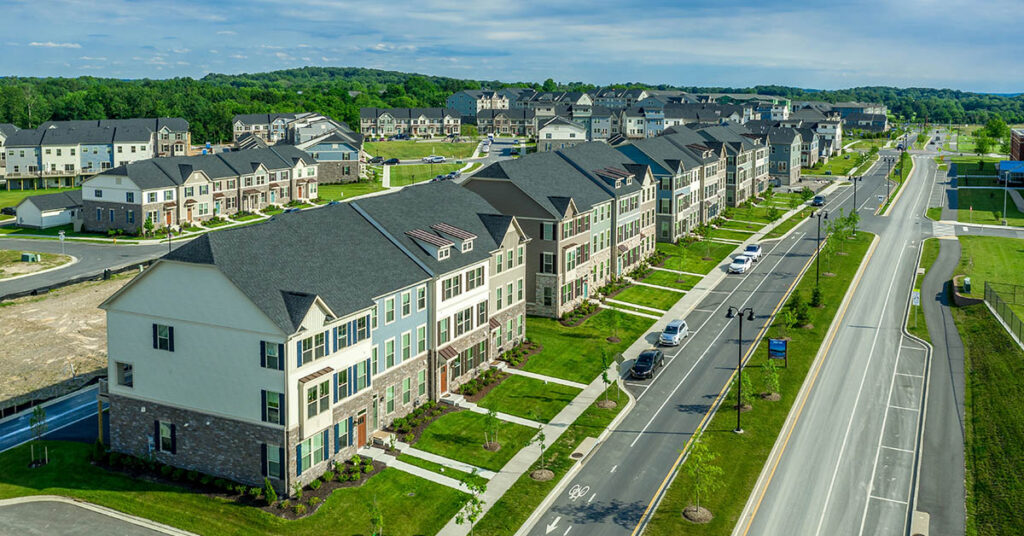
Driven by a years-long construction boom in the commercial sector and a tightening in the resale market, large apartment complexes have replaced the suburban house as the primary option for tenants.
According to a new analysis released Thursday by real estate brokerage Redfin, 33.1% of all renter-occupied housing units in the U.S. are now located in large multifamily dwellings — defined as properties with 20 or more units. This represents the highest share in data going back to 2011, when Redfin began tracking this metric.

In contrast, the portion of the rental stock composed of single-family homes fell to a record low of 31%.
The shift underscores a widening divergence in the housing market: While the country has successfully added density through apartment construction, the supply of available single-homes for rent is shrinking.
“Big apartment buildings make up a growing piece of the rental-market pie because America has been building a lot of them, which has made them more affordable for renters,” said Redfin Senior Economist Asad Khan in the report. “While multifamily construction has slowed recently, there are still more apartments for rent than people who want to rent them,” he continued, adding that this trend has depressed rental costs.
The rise of the apartment complex is largely a supply-side story. Construction of large multifamily properties hit record levels in 2024, a function of projects started during the pandemic-era housing demand spike. This influx of inventory has given renters more leverage and options, particularly in urban centers.
On the other side of the equation, single-family rentals are becoming scarce. During the pandemic, homebuyers took advantage of record-low mortgage rates to purchase starter homes that might otherwise have served as rental properties.
Today, the rate lock-in effect is keeping these homes off the market. Homeowners clinging to pandemic-era sub-3% rates are hesitant to sell or move, restructuring the flow of inventory available to investors and future landlords.
This dynamic has resulted in just 13.7% of the nation’s single-family housing units being currently occupied by renters, the lowest share since 2011.
“Record-low mortgage rates during the pandemic drove Americans to buy up a large chunk of the single-family homes on the market, meaning the pool available for renters shrunk,” Khan stated. He noted that this dynamic has caused the single-family home market to seize up for renters and buyers alike, driving up prices in the process.