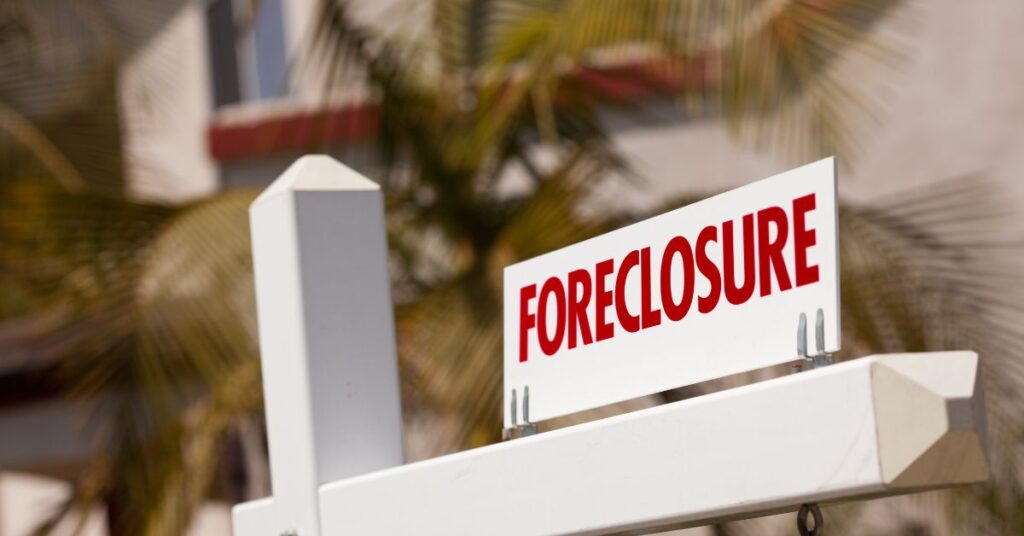
A total of 40,534 residential properties had foreclosure filings in January as the steady increase in foreclosure activity in 2025 continued into 2026.
That number reflects a 10% decline from December but is 32% higher than year-ago levels, the 11th consecutive month of annual increases, according to figures newly released by Attom, a real estate analytics firm.
Delaware emerged as the state with the worst foreclosure rate in January, with 1 in every 1,612 housing units filing. It was followed by Nevada, Florida, South Carolina and Maryland.
The worst foreclosure rates last month among metros with 200,000 residents or more were seen in Trenton, N.J.; Punta Gorda, Fla.; Fayetteville, N.C.; and Lakeland, Fla.
Despite high housing costs and macroeconomic pressures hurting some household budgets, foreclosure rates “remain well below historic peaks,” said Rob Barber, CEO of Attom, in a press release.
Foreclosure starts were up 26% from a year ago in January, with 26,369 properties across the U.S. receiving new filings, but down 7% from December. Florida, Texas, California, Georgia and New York had the most foreclosure starts last month.
Repossessions of completed foreclosures were 59% higher over the year, with real-estate owned (REO) transactions on 4,714 properties last month, a 21% decrease from December. Among metro areas with populations of 200,000 people or more, Chicago, Philadelphia, Houston, Dallas and New York had the most REOs last month.
Overall, foreclosure filings including default notices, scheduled auctions and bank repossessions affected 367,460 U.S. properties in 2025, a 14% rise from 2024 and a 3% increase from 2023, but 25% lower than 2019.