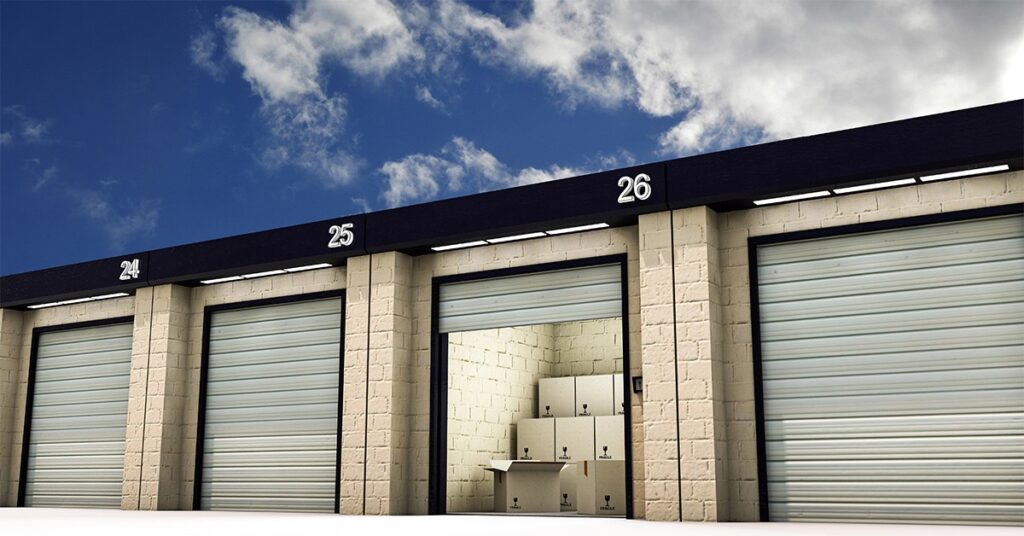
Adaptive reuse projects now comprise nearly 10% of the nation’s self-storage inventory, with a significant wave of new developments repurposing vacant retail spaces, according to new data from StorageCafe.
In a report released Wednesday by the Yardi Systems-owned service, the group revealed that developers are increasingly turning to conversions to bypass zoning hurdles and high construction costs in dense markets.
While industrial and office buildings have historically made up the bulk of these conversions, future supply is heavily concentrated in cities like Irving, Texas, and Los Angeles, often utilizing federal Opportunity Zones and the repurposing of shuttered big-box stores to meet demand.
The shift toward adaptive reuse has accelerated sharply over the last decade. According to StorageCafe, more than half of all existing converted inventory — approximately 108 million square feet — came online in the past 10 years. And today, total converted stock stands at 179 million square feet nationwide.
Momentum continued into 2026, with 3.8 million square feet of conversion projects actively under construction, representing 7.2% of all self-storage development currently underway in the U.S.
“This parity in geographic distribution highlights how adaptive reuse is seeing extended regional reach, as a practical solution to market constraints and changing consumers’ needs,” commented Victor Maghear, a market analyst with StorageCafe, in the report.
While industrial buildings still account for the largest share of conversions (41%), followed by office properties (34%), the current pipeline highlights a shift toward retail assets in specific parts of the country.
Irving, located in the Dallas-Fort Worth metro area, leads the nation in active construction volume. The North Texas city has nearly 233,000 square feet of storage under construction, with more than 80% of that supply coming from adaptive reuse. And a striking 95% of Irving’s current conversion inventory flows from former retail spaces, fueled by closures of major chains such as Big Lots and Lowe’s.
For developers, the math underlying adaptive reuse is compelling. Doug Ressler, business intelligence manager at Yardi Matrix, noted in the report that reusing existing structures can reduce development costs by 37% to 50% per square foot compared to construction from scratch.
“Existing buildings come with foundations, utilities and parking already in place, allowing developers to bypass major upfront costs and shave months off construction timelines,” Ressler stated. He added that adaptive reuse conversions also provide speed benefits as well, with most conversion projects completed within a year versus the multiyear timelines associated with new builds.
StorageCafe’s data points to the popularity of such conversions. In 32 U.S. cities, 100% of the upcoming self-storage supply consists of conversion projects.
“These conversion-only cities — collectively representing 2.3 million square feet, or about 60% of all adaptive reuse space under development — reflect how local conditions such as limited land availability, challenging zoning or a surplus of vacant buildings are pushing developers to prioritize conversions over new builds,” Maghear said.