A pair of Democrats introduced a bill in the U.S. Senate last Thursday designed to exclude home building materials from President Donald Trump’s signature tariff policies.
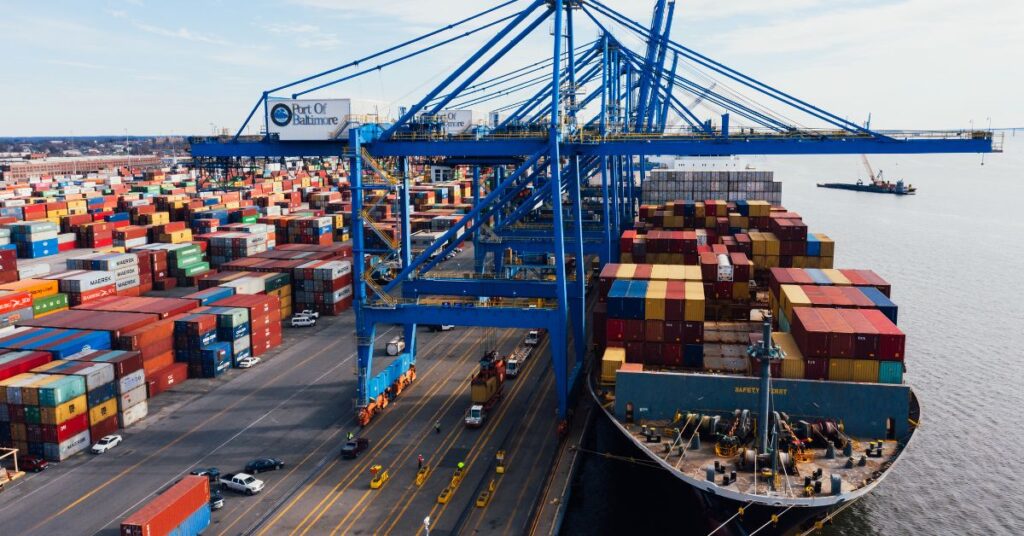
Sen. Chris Coons of Delaware and Sen. Jacky Rosen of Nevada said their Housing Tariff Exclusion Act would automatically exempt certain essential home building materials while implementing a timely process by which importers can apply for exemptions.
“President Trump’s tariffs are making it more expensive to build homes in America, and it’s driving up the cost of housing for everyone,” said Coons in a press release announcing the legislation. “The Housing Tariff Exclusion Act will bring home building costs down so more Americans can afford the dream of homeownership.”
The Supreme Court recently rejected the legal rationale underpinning sweeping tariffs imposed by Trump to rewire U.S. supply chains and trade relationships that he maintains have damaged national prosperity.
After the ruling, Trump quickly substituted a blanket 10% tariff on every country through an executive order, citing various short-term authorities that ultimately lead to Congress. Myriad studies show U.S. businesses and consumers are paying the majority of the tariffs, contrary to the president’s claims that foreign parties pay.
“We know that one way to address the affordable housing crisis is by making it easier and cheaper for developers to build more housing — but Trump has done the complete opposite over the past year by imposing cost-raising tariffs on virtually all homebuilding materials,” said Rosen in the joint press release.
The bill, which was cosponsored by five other Senate Democrats, gained enthusiastic support from industry groups and housing advocates.
“Roughly 60% of builders have already seen cost increases due to tariffs, which means higher housing costs for American home buyers and renters,” said Bill Owens, chairman of the National Association of Home Builders (NAHB), in a statement. “This bill is an important step forward to create more certainty for American businesses and to address the nation’s housing affordability challenges.”
David Dworkin, president and CEO of the National Housing Conference, said the legislation “will lower building and preservation costs, ease supply chain pressures, and help ensure trade policy does not worsen affordability challenges as we work to expand housing supply nationwide.”
The bill would specifically establish a list of products “commonly used in home building for which the [Commerce] Secretary must exclude tariffs within 15 days of application,” while simultaneously allowing businesses “to apply for reimbursement of tariffs paid prior to an exclusion being granted.”
The president and CEO of the National Lumber and Building Material Dealers Association, Jonathan Paine, also applauded the bill and its objectives.
“Lumber and building material dealers operate within a supply chain that depends on stable and predictable trade policy,” Paine said. “Tariffs on essential construction inputs have been shown to increase costs, create market volatility, and can delay or discourage new housing starts.”
With the durability of tariffs now under greater uncertainty, the U.S. home building industry is coming off a bruising first year of Trump’s second term, having seen single-family construction activity broadly contract from 2024 levels.
But competing policy priorities have ensnared builders’ operations and finances over the past 12 months. While deregulation was expected to be a tailwind for builders, tariffs have increased input costs and a national immigration crackdown has hollowed out construction crews, with some markets feeling more concentrated impacts than others.
Meanwhile, as affordability constraints continue to hold back homebuyers and builders, lawmakers in the Senate and House of Representatives continue to assess a pair of strongly bipartisan omnibus housing reform bills, each earning support for provisions the housing industry believes would broadly expand liquidity and cut regulation in pursuit of more housing supply.