
Commercial real estate (CRE) investing is undergoing a significant transformation throughout our country, facing both unprecedented challenges and exciting new opportunities over the past several years. Where might it be two years from now?
The future of CRE investment is shaped by evolving economic conditions, shifting consumer behaviors and a rapidly changing landscape of property types. This begs the question: Should investors finance now or wait for the market to stabilize?
Before diving into future projections, assess where the commercial real estate market stands today. CRE has been an attractive asset class for investors for the past decade, driven by relatively low interest rates, strong economic growth and high demand.
But this trajectory was disrupted by the pandemic. Traditional real estate sectors, especially office and retail, were forced to adapt to remote work, e-commerce growth and shifting consumer behaviors. These disruptions accelerated changes that were already underway, leading to a rethinking of what constitutes valuable commercial real estate.
Factors affecting the market
The rise of remote and hybrid work models has led to reduced demand for office space, particularly in major metropolitan areas. Retailers have faced heightened competition from online shopping, pushing many brick-and-mortar stores into decline. Meanwhile, the logistics and industrial sectors have thrived, driven by the surge in e-commerce.
The Federal Reserve raised interest rates aggressively between early 2024 and mid-2025 to offset persistent inflation. Higher borrowing costs raised concerns for CRE investors, especially those relying on debt to finance acquisitions. Rising construction costs and supply chain disruptions added additional pressure on developers.
Changing tenant preferences, particularly in offices, forced many landlords to reconsider leasing strategies. The growing demand for flexible office spaces and the shift toward hybrid work prompted the downsizing of office footprints and the embrace of new leasing models. The retail sector saw an influx of experiential and destination-based retailers and a resurgence of local and small-business tenants.
There is a growing emphasis on sustainable buildings and green certifications, as tenants increasingly demand energy-efficient, environmentally friendly spaces. Environmental, social and governance (ESG) considerations are critical for investors and tenants. This has significant implications for the CRE investment landscape, particularly regarding property valuations and tenant retention.
Key future trends
Remote and hybrid work arrangements have led to a substantial reduction in demand for traditional offices. The office market is not dead, however — it is undergoing a profound transformation.
Many businesses have adopted permanent hybrid work models, combining remote work with in-office collaboration. Employers are creating collaborative workspaces rather than large, private office spaces. Buildings offering flexible lease terms and modern amenities are likely to attract tenants.
The future of office buildings will likely be defined by adaptability. Commercial investors need to be flexible in positioning office properties by reconfiguring existing spaces to meet the needs of modern workforces. This could include the adaptive reuse of older office buildings into mixed-use developments, housing or logistics facilities.
Some cities will experience stronger returns to office occupancy, while others may face prolonged periods of vacancy and reduced rental income. Markets with a strong economic recovery, like Dallas, Miami and Austin, Texas, are expected to have greater office demand compared with markets that continue to struggle with high vacancy rates, such as San Francisco and New York.
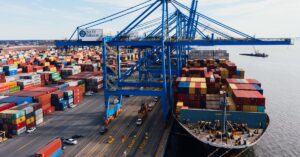
Industrial real estate, particularly logistics and warehousing facilities, has emerged as one of the strongest sectors in commercial real estate, largely driven by the explosion of e-commerce. The pandemic accelerated online shopping habits, with consumers increasingly turning to digital platforms for their retail needs. This surge in e-commerce has fueled demand for last-mile delivery centers, distribution hubs and large warehouses.
There are several key drivers of industrial demand. Last-mile logistics facilities allow retailers and distributors to fulfill customer orders quickly and efficiently. This is a necessity for industrial properties close to urban centers.
The pandemic exposed vulnerabilities in global supply chains, prompting many companies to reevaluate logistics strategies. Companies are increasingly focusing on near-shoring and diversifying supply chains to reduce dependence on overseas manufacturing.
The future of industrial real estate will also be shaped by automation. Warehouses and distribution centers will continue to incorporate robotics, artificial intelligence and other advanced technologies to increase efficiency. Industrial properties with the infrastructure to accommodate these technologies will be in high demand.
Long-term outlook
Over the next 24 months, industrial real estate is expected to remain one of the most attractive sectors for investors. Despite potential headwinds like rising construction costs and supply chain disruptions, demand will remain for distribution centers and logistics hubs.
“The retail sector has undergone one of the most profound transformations in commercial real estate.”
The retail sector has undergone one of the most profound transformations in commercial real estate, driven by the rise of e-commerce and changing consumer behaviors. While many traditional retailers have struggled, new opportunities have emerged for retail properties that can adapt to these shifts.
Consumers seek experiences that can’t be replicated online, so retailers focus on destination-based events enticing customers into physical stores. Malls that offer entertainment, dining and community-focused spaces are thriving. Those that focus primarily on retail are struggling.
The demand for suburban and neighborhood retail centers has increased as remote workers spend more time in their communities. Community-oriented centers offering services like groceries, gyms and health care are performing well. Investors increasingly find these properties a safer bet in uncertain retail times. Some traditional malls have been repurposed into mixed-use developments, incorporating residential, office and entertainment components. This trend is likely to continue as investors explore creative ways to invigorate struggling shopping centers.
This shift is interesting, as affordable housing shortages have particularly impacted urban and suburban areas. The multifamily sector has been a consistent performer, driven by a growing U.S. population and high demand. But multifamily investors need to consider a few challenges.
The supply of multifamily development has not kept pace with demand over the past decade. Rents in many markets have been rising, increasing the attractiveness of multifamily investments for landlords.
Higher interest rates pose a challenge for multifamily investors looking to finance acquisitions. Rising mortgage costs can reduce profitability, particularly in markets where rent growth may slow. However, multifamily properties in high-demand areas are still likely to perform well, even if borrowing costs rise.
Financing now or later
There are clear pros and cons to financing now. Rising interest rates have put downward pressure on property values, particularly in sectors like office and retail. For investors with strong capital positions, financing now may provide an opportunity to acquire high-quality assets at a discount.
“Some sellers may be more willing to negotiate, leading to potential off-market opportunities for investors who can move quickly.”
Some lenders are offering more flexible financing terms, such as adjustable-rate mortgages or longer loan durations, to help investors navigate the higher interest rate environment. And in a volatile market, some sellers may be more willing to negotiate, leading to potential off-market opportunities for investors who can move quickly.
On the other hand, the primary drawback of financing now is the higher cost of borrowing. For investors relying on debt to finance acquisitions, this erodes profitability and increases risk, especially in markets where rents are expected to decline or remain stagnant.
Economic uncertainty looms over the next 24 months, including the potential for a recession. Investors committing to financing now may face unexpected challenges if conditions deteriorate further. For investors in favor of waiting for stabilization, it could be a way to secure more favorable loan terms and reduce borrowing costs. Asset prices may decline further, particularly in sectors that have been hit hardest by the pandemic. Waiting could offer an opportunity to acquire assets at a more attractive price.
By waiting for the market to stabilize, investors can reduce their exposure to market volatility and economic uncertainty. This provides more time to assess trends and make more informed decisions.
But in rapidly growing sectors like industrial real estate, awaiting stabilization could mean missing out on lucrative investment opportunities. Prices may not decline significantly, particularly in high-demand areas.
Predicting when the market will stabilize is challenging, and waiting for the perfect moment could lead to prolonged inactivity. External factors like geopolitical events or shifts in government policy could also affect the timing of market recovery.
As commercial real estate investors look ahead, the key to success lies in adaptability. The future of CRE investing will be defined by emerging trends, shifting tenant preferences and the broader economic environment. Whether to finance now or wait for the market to stabilize will depend on individual investment strategies, risk tolerance and the specific sectors being targeted.
Those who identify high-potential asset classes, navigate the changing financing landscape and stay agile in the face of market volatility will be best positioned to thrive in this evolving market. As always, due diligence, strategic thinking and a clear understanding of both macroeconomic factors and micro-level trends will be critical to long-term success in commercial real estate investing.