The Hispanic homeownership market is one of the fastest-growing segments in the U.S. housing industry. According to the National Association of Hispanic Real Estate Professionals (NAHREP), Latinos accounted for more than 50% of homeownership growth in recent years, and projections suggest this trend will accelerate.
By 2025, Latinos are expected to represent a significant share of first-time homebuyers, driven by demographic growth, strong family values and a cultural emphasis on homeownership as a cornerstone of financial stability.
Government data and think tank studies echo this optimism. The Urban Institute predicts Latinos will comprise the largest share of net new homeowners over the next two decades. This surge is fueled by a young median age — about 30 years old — compared to 41 for non-Hispanic white homeowners, and a labor force participation rate that outpaces other groups.
Yet, despite these promising indicators, barriers remain. Limited access to credit, nontraditional income sources and language or cultural gaps often complicate the path to homeownership.
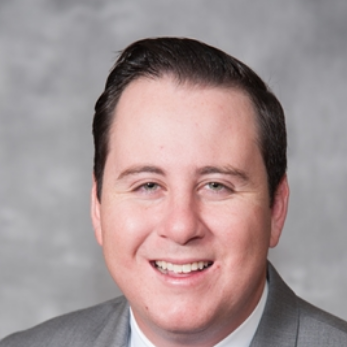
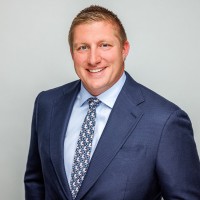
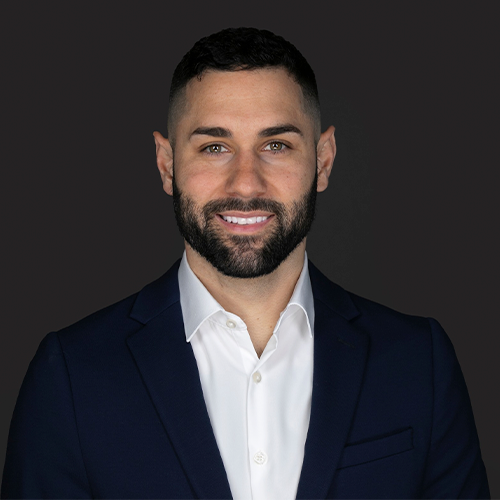
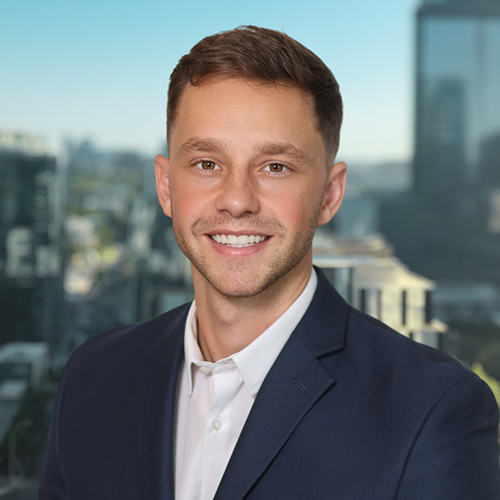
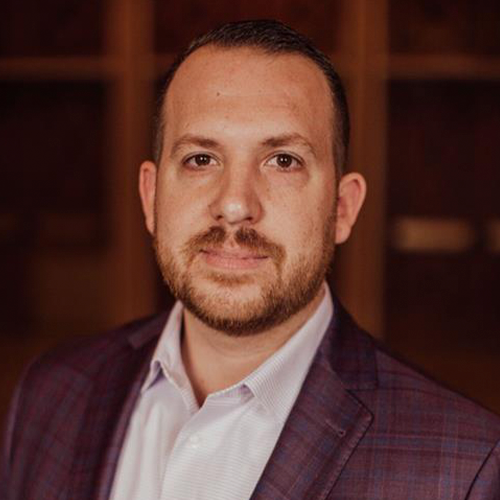
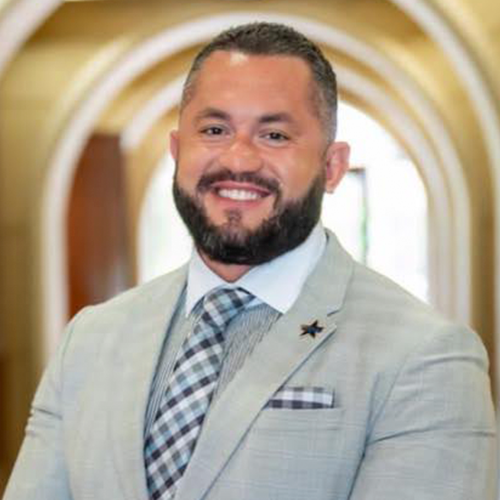
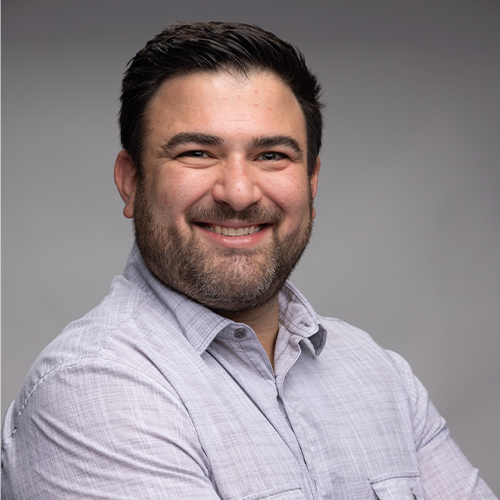
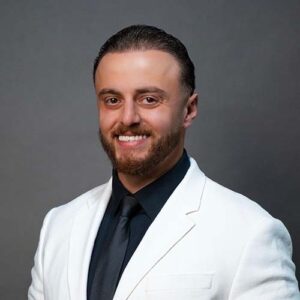
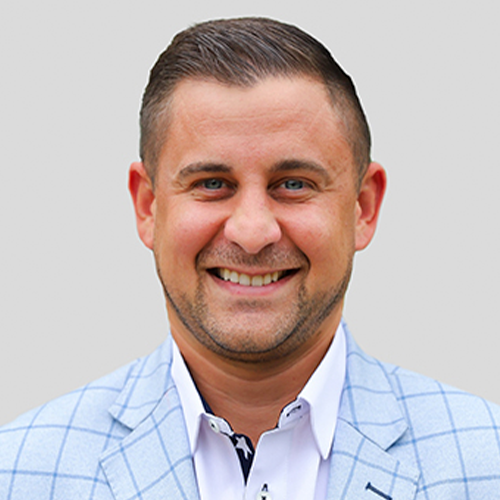
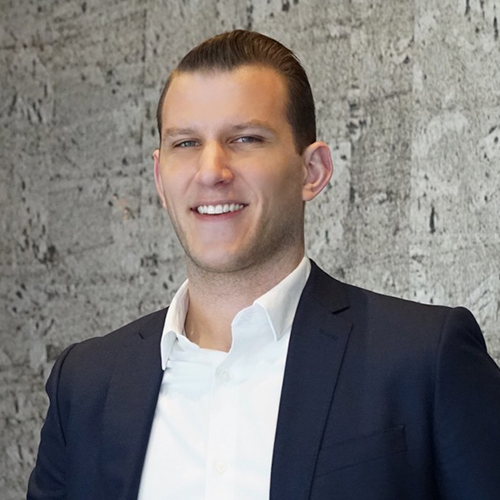
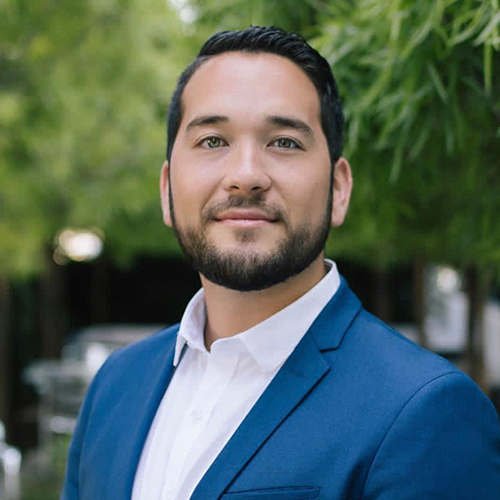
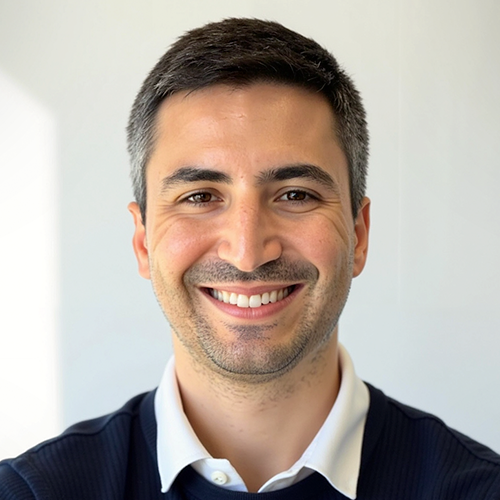
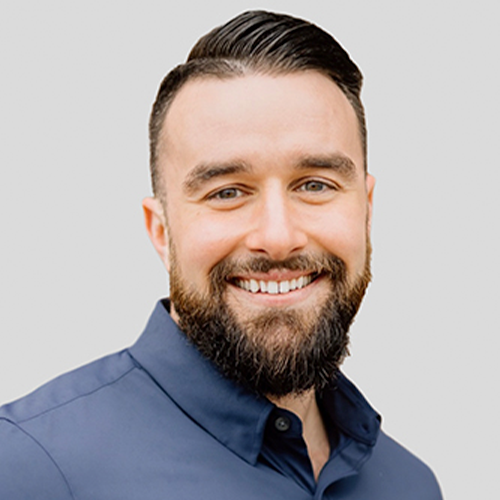
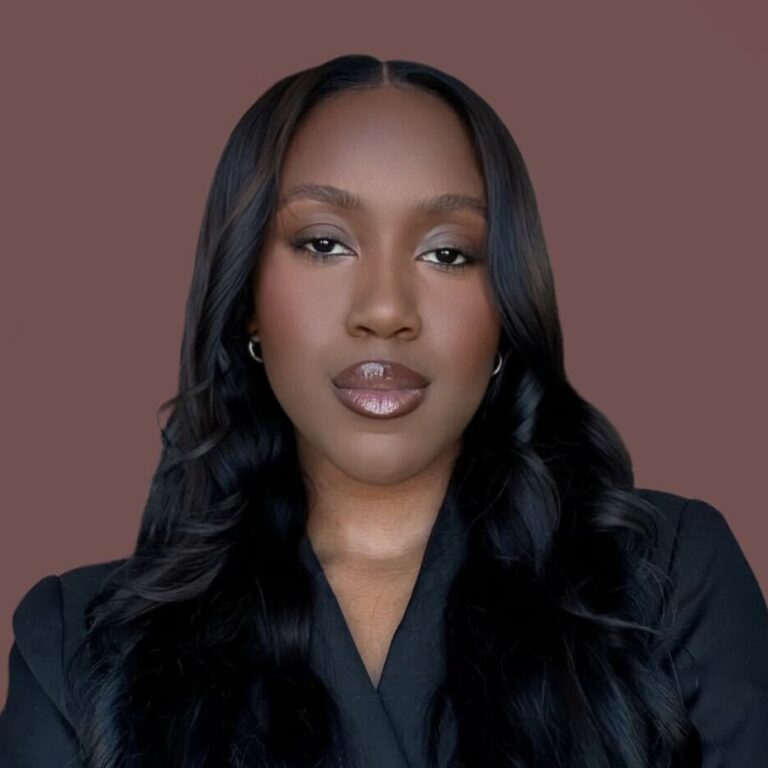
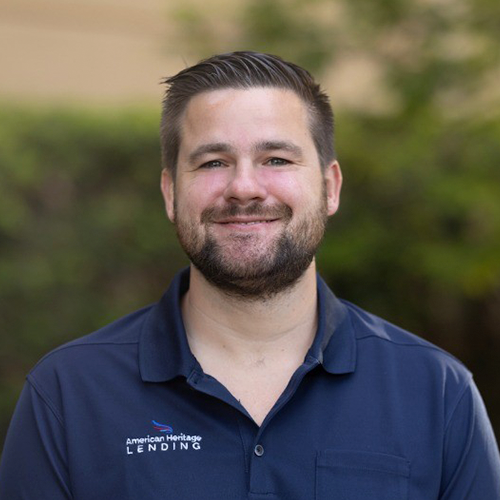
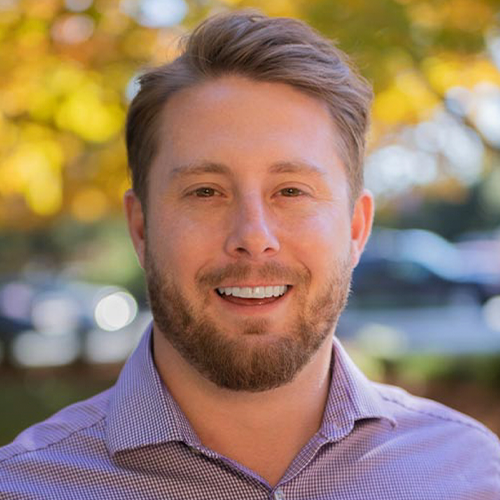
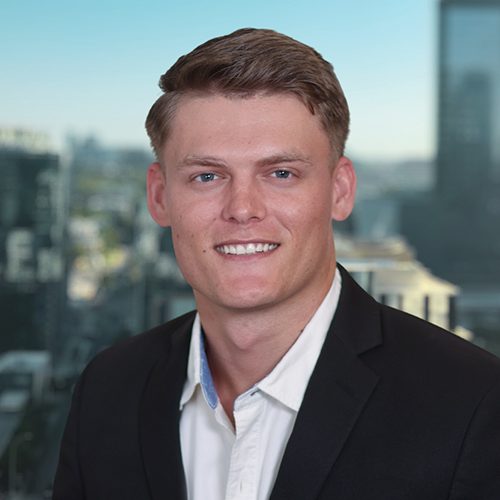
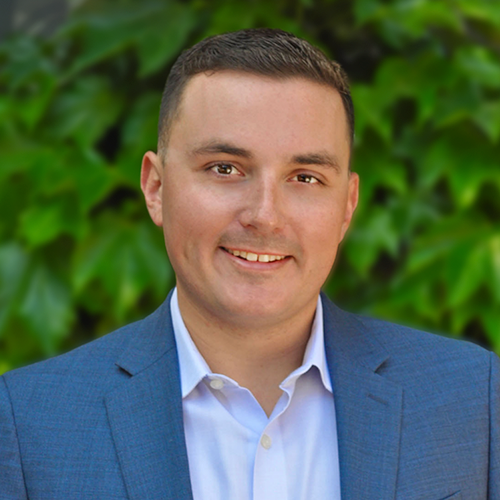
To better understand how these challenges are being addressed, we asked three Latino loan originators who are on the front lines of this transformation to share their insights. They revealed a common theme: Success lies in culturally relevant outreach, education and trust-building. From leveraging social media to hosting bilingual workshops and tailoring mortgage solutions, these professionals are not just closing loans — they’re opening doors to generational wealth.
Connecting through culture
Oscar Reto, branch manager at New American Funding in Charlotte, N.C., emphasizes the power of culturally relevant outreach.
“Social media plays a big role,” he explains. “Facebook reaches a seasoned audience, while Instagram and TikTok connect with younger buyers.”
Beyond digital channels, face-to-face engagement remains vital. Reto organizes first-time homebuyer seminars, partners with church groups and collaborates with local organizations to meet families where they are.
However, outreach alone isn’t enough. Many Latino buyers act impulsively, he says, relying on advice from friends and family rather than professional guidance. This often leads to insufficient preparation — low credit scores, inadequate savings and limited understanding of the process. Reto advocates for a six-month to one-year preparation period when buyers can improve credit if needed, build funds and learn the steps involved.
It also makes a difference to hire staff who share cultural backgrounds. “Knowing the language is good, but sharing the culture is paramount,” he says.
From navigating cash-on-hand issues to explaining tax complexities for self-employed clients, cultural competence fosters trust and smooths the path to homeownership.
Building trust through education
Alex Varela, divisional sales manager at Neighborhood Loans in Southlake, Texas, believes the Latino homebuyer experience improves dramatically when working with a Latino loan officer.
“It’s not just about language,” Varela notes. “It’s about profound comprehension of culture.”
Many clients face fears and uncertainties amplified by unfamiliarity with U.S. financial systems. Varela addresses these concerns through mandatory one-hour consultations — either in person or virtually — where he walks clients through underwriting decisions, debt-to-income ratios and documentation requirements.
Education extends to explaining loan programs from the Federal Housing Administration and conventional products with low downpayments, which are particularly helpful for families with co-signed loans or nontraditional credit histories.
Varela also champions empowering Latino mortgage professionals, arguing that they have exponential outreach within their communities. His offices are strategically located in Latino neighborhoods, and he leverages resources like the Hispanic Wealth Project to teach clients about long-term financial health.
“Latinos are fiscally conservative, hardworking and family-oriented,” he says. “With the right education and opportunity, they will become a major force in the U.S. economy.”
Innovating for inclusion
Companies should focus on training and providing resources that reflect real family dynamics, says Jay Rodriguez, a mortgage broker at Arbor Financial Group in Mission Viejo, Calif. “Most industry training teaches guidelines, not people,” he explains.
Latino families often pool resources across generations and combine income from diverse sources — small businesses, gig work and W-2 jobs. Loan officers must learn to document these layered incomes accurately and work with culturally aware certified public accountants to help self-employed clients with tax planning.
Rodriguez advocates for bilingual, interactive loan documents and expanded language access throughout the homeownership journey. His organization launched HOME Certified, the industry’s first bilingual learning system for mortgage professionals. Tailored mortgage options, such as bank statement programs and flexible downpayment assistance, are critical for first-time buyers with nontraditional income.
Education remains central: Rodriguez hosts workshops and creates short videos in English and Spanish to demystify credit and financing. Trust-building continues after closing through community engagement and social media outreach.
“La familia es lo más importante,” he says. Family is the most important thing. “When we lead with empathy and education, we don’t just close loans. We help families build lasting legacies.”
The Latino homeownership market is poised for historic growth, but achieving its full potential requires more than traditional lending practices. It demands cultural understanding, proactive education and innovative solutions tailored to unique financial realities.
As these loan originators demonstrate, success comes from meeting clients where they are — linguistically, culturally and emotionally — and guiding them toward sustainable homeownership. In doing so, they’re not only shaping the future of housing, but also empowering a generation to build wealth and stability for years to come.