Rents for studio apartments and one- to two-bedroom units fell an average of 0.9% year over year in August. It marked the 37th consecutive month of annual declines, according to Realtor.com.
The median asking rent in August was $1,699 across the 50 largest U.S. metro areas. That is down $65, or 3.7%, from the rent peak in the summer of 2022. But it is still up $227, or 15.4%, from rental averages in August 2019.
Annual declines in rents were seen in all three apartment categories tracked by Realtor.com. The median rent for a studio apartment was $1,436, down 1.2% year over year and 3.4% below the 2022 peak. One-bedroom apartments were at $1,586, down 0.8% from a year ago and 4.5% below the peak period. The median two-bedroom apartment was $1,896, 0.9% lower than last year and 3.7% below the peak.

All of the rent categories had seen prices fall consecutively for three years or more, the report found. But those prices remained between 13.1% and 17.7% above rents in August 2019.
Concessions are plentiful
Not only are rents down in the past three years, but landlords are also increasing the level of concessions being offered. Waived application fees, better amenities, rent credits and free rent for a period of time are all ways that landlords are trying to fill units without changing the property’s advertised rent.
In August, 43.5% of studios, one-bedroom and two-bedroom apartments were offered with at least one concession. That was up 3.1% from a year ago.
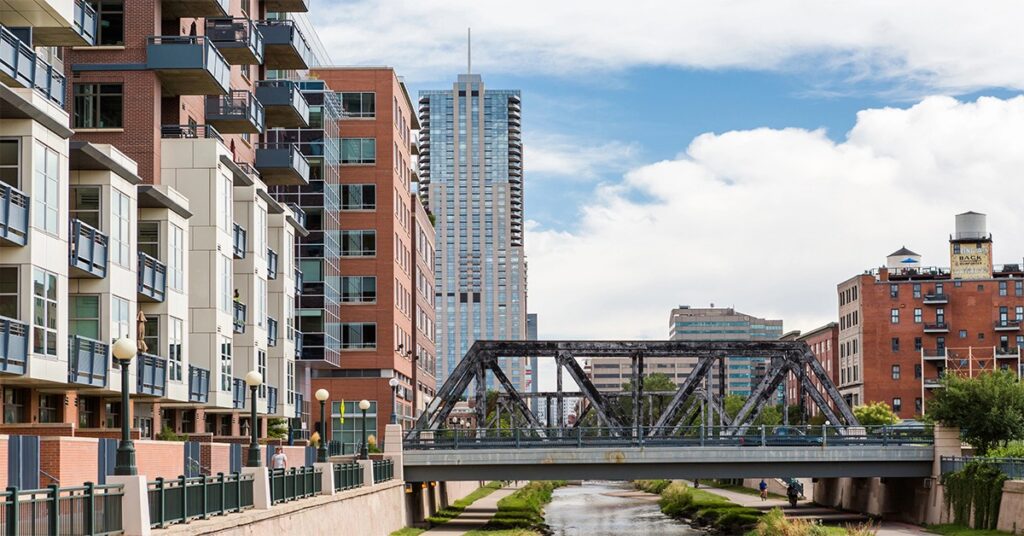
Concession rates were highest in the Denver metropolitan area, where 71.9% of apartments were being offered with some form of temporary discount perk. Austin, Texas, was not far behind with 70.7% of apartments being offered with concessions. Las Vegas was third with 69.6% receiving concessions.
The combination of dropping prices and increasing concessions is the result of rising vacancy rates and weak renter demand as a glut of new apartments have come on the market in the post-pandemic period.
“Renters are entering the fall with more choices and more negotiating power than they had at the height of the rental market,” said Jiayi Xu, senior economist at Realtor.com, in a press release.
“Rents are still above pre-pandemic levels, but the combination of continued year-over-year declines, new supply and a growing share of listings with concessions is creating more opportunities for renters to find better deals,” Xu added. “We expect the typical seasonal slowdown in monthly rents this fall, with year-over-year declines likely to continue as rental supply works through the market.”
The AI effect
Multifamily developments in U.S. markets with strong job growth are not experiencing the same financial pressures.
Thanks in part to AI-driven housing trends in the San Francisco Bay Area, San Jose was among the metro areas with the tightest apartment market, where August rents rose 4.7% year over year and the concession rate was 22.5%. It was followed by nearby San Francisco, where rents increased 4.5% since a year ago and the concession rate was 27.4%.
But the more blue-collar Pittsburgh was another city that experienced surprisingly strong rent growth of 3.6% from the previous year, despite a low concession rate of 32%.
In a Rental.com survey of landlords concerning concessions, 37.9% of respondents favored reducing or waiving fees, 30.7% favored upgrading amenities, 25% offered free rent and 6.4% offered gift cards or moving assistance. But 65% said they would not waive the security deposit.