The COVID-19 era has seen an extraordinary degree of disruption to rental market trends, with migration from large urban metros into less dense areas leading to a slowdown in big-city rents and price escalation in cheaper cities.
New data from rental website Zumper, though, suggests that the market may be normalizing somewhat.
Evidence, according to Zumper, can be seen in comparing rental prices in the country’s most expensive cities to those in the rest of the country. Zumper evaluated 100 cities over the course of the last year, finding that one year ago (pre-pandemic), the median one-bedroom rent in the eight priciest metros in the U.S. was 120% higher than in the other 92. That gap underwent a rapid narrowing over the second and third quarters of 2020, finally reaching its smallest at 75% in November.
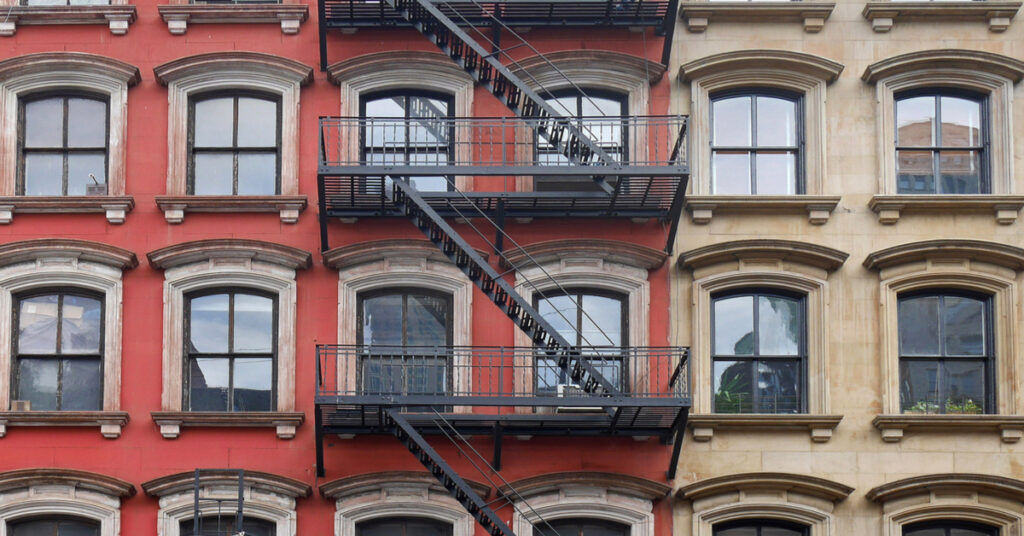
But December saw that gulf begin to widen again, and this month, it grew to 79%. According to Zumper’s data, one-bedroom median prices grew month over month in three of the nation’s most expensive cities during January: New York (up 4.7%), San Jose (2.3%) and Boston (1.5%). It was the first month-to-month increase in all three cities since at least the first quarter; in New York, it was the first monthly gain since February 2020, marking a full calendar year without rent growth.
Meanwhile, rent growth in cheaper cities has seen a slowdown since peaking in July. Mid-year in 2020, the median one-bedroom price in the bottom 92 cities in Zumper’s study hovered between 5-8%; that figure had fallen to 1.9% by the beginning of 2021.
So why has the gap begun growing again?
Zumper theorizes that it likely reflects a slowdown in renters leaving expensive urban markets, as well as a potential increase in new renters moving in. To be clear, rents are still substantially year over year down in historically expensive large cities, while rents in historically less expensive cities remain elevated from last year. Signals still point to an ongoing exodus of sorts from dense urban cores, with renters and other big city residents looking elsewhere for more space and cheaper residential options, thanks to COVID-19 risks and greater work-from-home flexibilities.
But two months into 2021, there are signs within the rental market that those trends may have plateaued and are beginning to moderate.