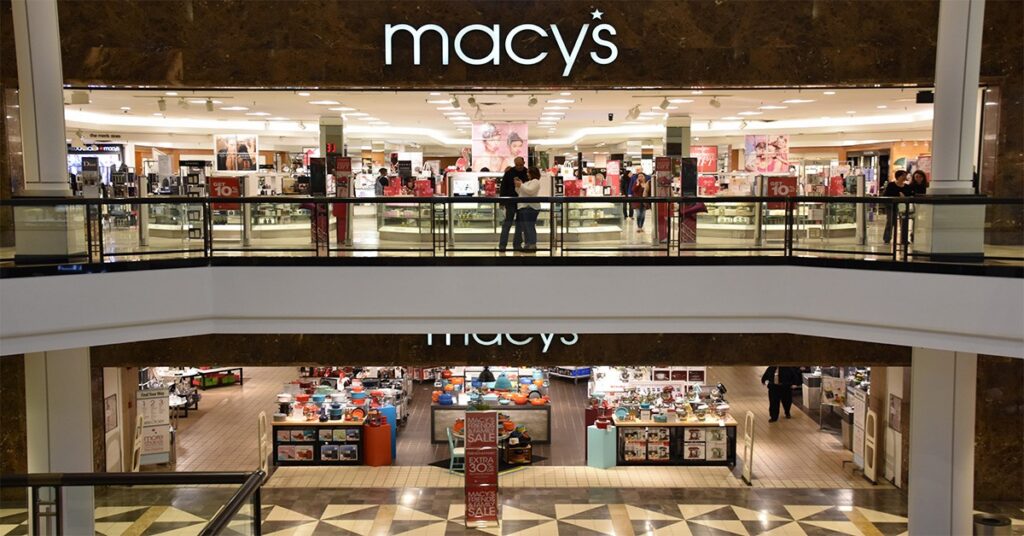
There are signs that the traditional American mall may be in the early stages of recovery.
The enclosed, climate-controlled shopping center has been on the commercial real estate obituary page for more than a decade, thanks to many reasons, including the rise of online shopping, the COVID-19 pandemic and changing retail trends. But recently there have been signs of improving fortunes for the venerable mall.
In March, it was reported that Gen Z shoppers, those ages 14 to 29, purchased 62% of their merchandise in malls last year. That was 10% more than shoppers who are 25 or older. This group of shoppers is expected to be responsible for global sales in excess of $12 trillion by 2030.

The Wall Street Journal has reported that the younger generation’s newly found love for malls has resulted in increasing demand for mall space and rising mall values. Real estate analytics firm Green Street estimates that the value of malls has increased by 13% in the past year, topping other commercial property sectors. That growth has attracted more investors eager to find profits in the otherwise sluggish commercial real estate market.
One of the biggest winners from the changing retail attitude has been Simon Property Group, the nation’s largest mall owner. Only a few years ago, many wondered if the company and the malls it owns were going to survive the changing retail market. This year, the publicly traded Simon Property Group saw its stock hit an all-time high in late July.
The company’s fortunes have also improved thanks to the slowing number of mall closures. Green Street estimates that seven malls have closed so far this year, which is down from nine closings for all of last year. The number of mall closures has been steadily decreasing since 19 closed their doors in 2021. It is estimated that about 200 malls have closed since the 2008 financial crisis, leaving about 900 still open in the U.S.
Despite the rosier outlook, data still shows an uneven recovery for the retail sector. Cushman & Wakefield found net absorption totaled 708,000 square feet in the second quarter, recovering from negative absorption of 4.6 million square feet of retail space in the first quarter of the year. It was the third consecutive year of negative absorption during the first quarter, which is typically slower due to winter weather and the seasonality of retail leasing.
The national vacancy rate held steady during the second quarter at about 6%, below the 7.4% historical average. Helping to keep retail vacancies low was the fact that only 13.3 million square feet of retail space — less than 0.3% of existing inventory — is under construction nationwide.