
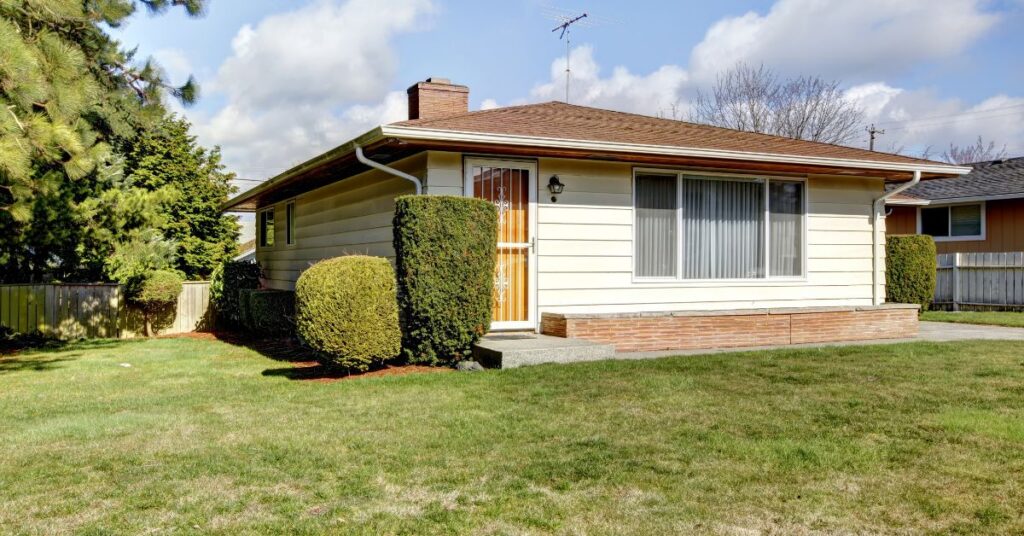
Nearly 40% of homeowners in the U.S. have no mortgage, owning their properties “free and clear.”
That amounted to nearly 35 million owner-occupied properties as of the U.S. Census Bureau’s 2024 tally. Of those, about 54% — or nearly 19 million homes — are owned by consumers age 65 or older.
At some point, experts say, those homes will hit the market as their owners age, die, seek to downsize or transition to alternative living arrangements. Where and at what speed that generational handoff occurs remains housing economists’ best guess.
New research from Realtor.com, however, pours cold water on hopes that a meaningful portion of that housing handoff will reach first-time homebuyers. With home prices near historic highs and mortgage rates above 7%, that purchase cohort is finding today’s housing market particularly difficult to access.
“The handoff is a welcome relief, but it is not big enough to solve the housing shortage issue alone,” said Jiayi Xu, senior economist at the listings platform, who spearheaded the research.
Reflecting the outsized ownership share among older U.S. consumers, Realtor.com estimates that about 13.9 million properties will be released into the nation’s housing supply over the decade spanning 2026 to 2036, roughly 34% more than over the previous 10 years.
However, just 380,000 of those homes — less than 3% — would be considered starter homes. Instead, so-called “family homes” with three to four bedrooms, and large homes with five or more bedrooms, will likely dominate the anticipated turnover.
Realtor.com attributes the imbalance to a separate though related disparity in the market: More than half of all starter homes are owned by older consumers who are holding onto those homes mortgage-free. Among owners of starter homes ages 70 to 79, for example, nearly 73% own their home outright, according to the report.
Those owners may ultimately feel much less pressure to sell. As it is, starter homes only make up around 3% of for-sale listings in a given year, Realtor.com observed.
New-home construction has contracted over the past two years amid challenging market conditions for builders. But the gradual release of senior-owned housing is nevertheless expected to ease a supply shortage that Federal Reserve Governor Michael Barr cited between 2 million and 5.5 million homes during a speech on Sept. 23.
That, in turn, could help soften prices to varying degrees around the country, especially if housing costs remain high and homebuying demand struggles to rebound.
But those savings will largely accrue to move-up buyers looking for homes with three or more bedrooms, as “the entry-level segment, where the shortage is most acute for first-time buyers, gets the least relief,” said the report.
“Keeping homeownership within reach for the next generation, and keeping these homes a source of family wealth,” explained Xu, “will still take more supply, especially homes first-time buyers can afford, particularly in expensive markets.”