The chief economist of the National Association of Home Builders (NAHB) has a concerning forecast for the housing market as demand- and supply-side restrictions continue to mount for U.S. home builders.
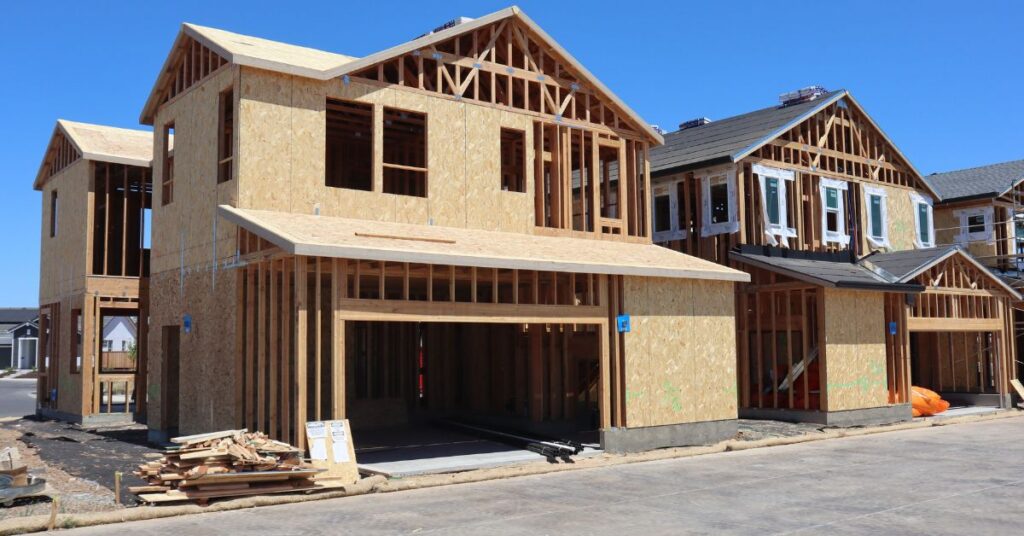
Single-family housing production declined by 7% in 2025 and is projected to fall a further 4% to 5% by the end of 2026. Given current market conditions, new-home supply will likely decrease next year, too.
“Unfortunately, for 2027 we’re looking at about a 3% decline,” said Robert Dietz, who has led economic analysis and forecasting for the nation’s largest trade group representing home builders since 2005.
Sharing the forecast during an NAHB podcast published Friday, Dietz said higher financing costs that have eroded builders’ margins while simultaneously slowing homebuying demand are a major driver of his outlook for a third consecutive year of falling production.
Persistent weakness across the sector has been concentrated among “bigger builders” in “bigger markets” doing spec-home building, while the custom-home segment that is weighted toward older, wealthier consumers remains more resilient.
But the U.S. economy is “really unbalanced,” said Dietz, distorting outcomes in the broader housing market. One example is a home-price hangover from the COVID-19 pandemic, whereby existing homes are currently demanding a higher pricing premium than newly built homes — a historical anomaly.
“That is a warning light for existing-home prices,” said Dietz. “We think most markets are going to see existing-home price declines over the next year.”
Adding more single-family housing supply — as opposed to expanding demand-side policies amid a longstanding supply shortage — is widely seen as a structural requirement to delivering sustainable home price relief for prospective buyers.
But Dietz believes 2027 is unlikely to be a breakout year for builders given the collage of economic and policy pressures that have already resulted in a multiyear slowdown in new-home construction activity.
The Iran war that began in late February has not only triggered higher borrowing costs, he said, but also increased builders’ energy and construction material expenses. Market sentiment among home builders fell to a one-year low in September, according to the NAHB, as these pressures have compounded and sales outlooks have deteriorated.
While the AI buildout has fueled strong gains for investors and those with financial assets, the investment push has also driven higher inflation, raised long-term government borrowing costs that influence mortgage rates, and increased competition for experienced workers and construction materials needed by home builders.
“Right now, we’re competing in the bond market for investment with those tech companies,” said Dietz. “Plumbers and electricians, they’re going to work at data centers rather than in the remodeling and the home building industry right now.”
Mortgage rates averaged 7.4% last week for typical 30-year home loans, according to Freddie Mac data, after starting 2026 around 6%. The decline in purchasing power — with home prices already near record highs — pushes prospective buyers to the sidelines.
With President Donald Trump’s signature tariff policies also contributing to higher prices for consumers and businesses, the Federal Reserve raised its benchmark interest rate last month and policymakers have signaled that additional rate hikes are likely to be necessary.
Shrinking labor supply and driving construction delays, aggressive immigration enforcement by the Trump administration is yet another policy Dietz cited that has directly undermined the economics of home building, layering in more supply-side restrictions.
Ultimately, Dietz said consumers and businesses inside and outside the housing sector are operating in a market environment where “politics is driving the economics, rather than the economics really driving the politics.”