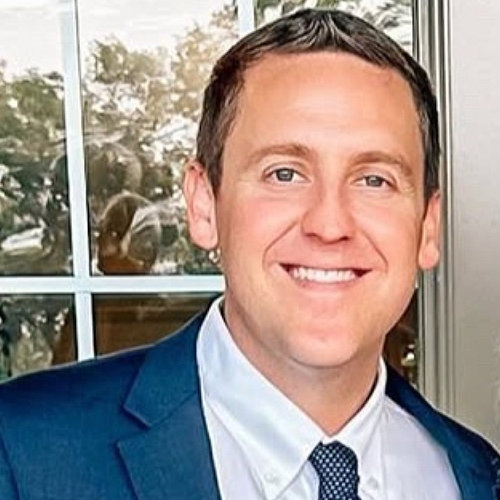
White House National Economic Council Director Kevin Hassett launched a blistering television attack on Wednesday against the Federal Reserve Bank of New York, calling a recent study on tariff costs an “embarrassment” and suggesting disciplinary action for its authors.
The strong public rebuke exposes a deepening rift over the macroeconomic impact of the administration’s signature tariff policies — a debate with massive implications for inflation, domestic construction costs and the trajectory of U.S. mortgage rates and the real estate industry.
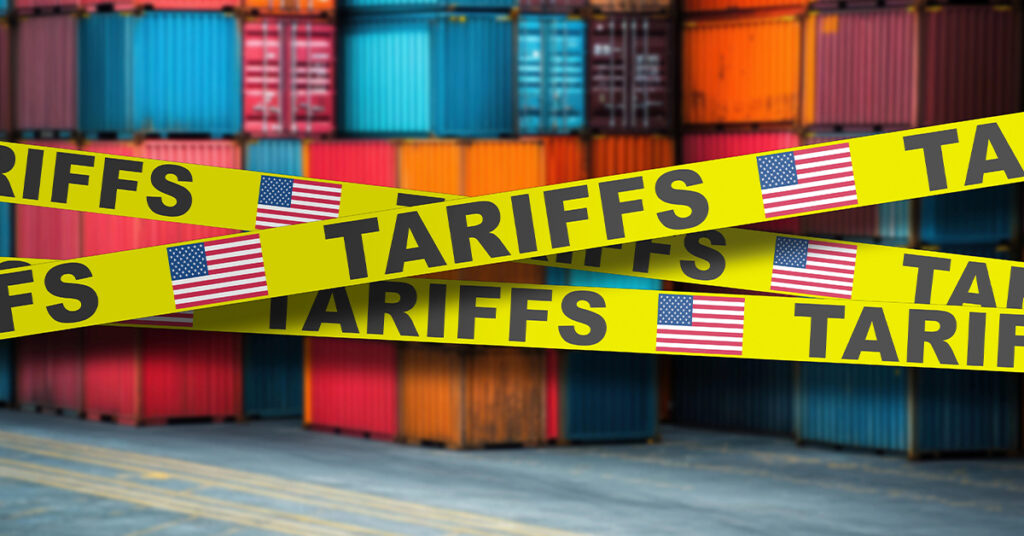
While the New York Fed concluded that domestic businesses and consumers are shouldering nearly 90% of the financial burden of the tariff policies first implemented in April of last year, Hassett dismissed the findings as “partisan” and incomplete.
The conflict centers on a Feb. 12 report published on the New York Fed’s Liberty Street Economics blog exploring the impact of the Trump administration’s tariff policies. According to the central bank researchers, the average U.S. import tariff rate surged from 2.6% to 13% over the course of 2025.
Analyzing import data, the study found that 94% of the tariff incidence — a technical term for the cost of a tariff — was born domestically in the first eight months of 2025. By November, as companies began reorganizing their supply chains, that figure dropped slightly to 86%.
Hassett, who formerly served as a Federal Reserve research economist, criticized the central bank’s findings during an appearance on CNBC’s “Squawk Box,” labeling the New York Fed analysis the “worst paper I’ve ever seen in the history of the Federal Reserve system,” and arguing the methodology was “highly partisan.”
Specifically, Hassett asserted the Fed’s analysis wouldn’t be accepted in a “first-semester econ class” because it focused solely on prices and ignored the upward impact on wages and benefits from bringing production onshore. He insisted that Americans were ultimately better off due to the tariffs, citing a $1,400 average increase in real wages last year and claiming “prices have gone down.”
The New York Federal Reserve declined to comment.
According to the Bureau of Labor Statistics’ recent consumer price index data, published last week, inflation has slowed in recent months but consumer prices are still elevated, with an unadjusted annual growth rate of 2.4% in January.
Hassett’s staunch defense of the tariffs marks a departure from his own historical economic view, having spent decades championing free-market systems and warning that protectionist trade policies stifle economic growth.
In 2003, for example, Hassett co-wrote an article for the American Enterprise Institute, in which he argued that “liberalized trade — in broadly multilateral, regional or bilateral agreements — is a key ingredient in the recipe for prosperity.” He added that “full participation in the global economy and trading system” is an “absolute prerequisite for long-term economic growth.”
In 2011, when Donald Trump floated the idea of a presidential run, Hassett penned an op-ed for Bloomberg, writing that Trump appeared to have “a tin ear on tax policy” due to his calls for a 25% tax on all imports from China, a measure Hassett argued was “terrifyingly similar” to the Smoot-Hawley Tariff Act that “set off a trade war in 1930” and helped create the Great Depression.
And in an October 2018 interview with the Council on Foreign Relations, Hassett, citing his background as an economist, explicitly acknowledged the macroeconomic drag of trade barriers, stating, “If you put tariffs on things then you get less economic growth.” He added in that interview that he thinks of “tariffs as taxes.”
The public clash between the White House and the Federal Reserve underscores the political volatility surrounding economic data and tariffs as the administration defends its trade agenda.
“Consumers couldn’t have been made better off by the tariffs, if this New York Fed analysis was correct,” said Hassett on Wednesday. “It’s really just an embarrassment. I can’t imagine who signed off on it.”