
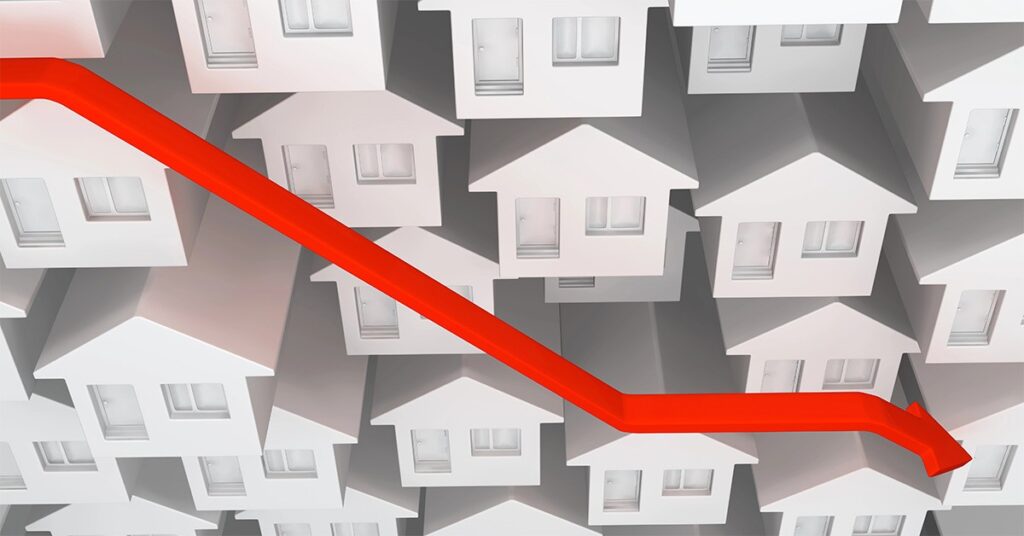
The U.S. demand for homes appears to be slowing as more housing units come on the market, immigration declines and the nation’s population ages. Those are some of the findings in a new analysis of the housing market from the Mortgage Bankers Association (MBA).
The authors of the white paper found that changing demographic, economic and market forces in recent years have resulted in the housing market facing a major shift as more supply becomes available.
Between 2024 and 2025, the number of existing homes on the market rose 30%. Rental vacancy rates climbed from a low of 5.6% in 2022 to 7.3% in 2025 and rent growth has continued to flatten.
The growth in housing supply in many regions has resulted in a reduction in housing demand, said Mike Fratantoni, MBA’s chief economist and one of the authors of the white paper.
“While affordability challenges remain significant, MBA’s research highlights the importance of looking beyond today’s market conditions to understand the long-term forces shaping housing demand,” Fratantoni said in a press release. “These findings can help industry participants and policymakers better prepare for future changes in housing and mortgage market dynamics.”
According to the authors of the white paper, estimates of the national housing shortage since the financial crisis of 2008-09 have ranged from 1.5 million to 7.3 million units. The housing shortage was further exacerbated by low interest rates and surging demand during the pandemic, which also pushed up housing prices and apartment rents.
The MBA reports that national home prices increased 55% between 2020 and 2025, and annual rent growth was in the double digits for most of that period.
At the same time, home builders increased construction, mainly in the South and West. By last year, the housing market had begun to rebalance. Housing supplies increased, demand cooled and rent growth slowed.
Other macroeconomic changes may also be altering housing demand for years to come. The MBA analysis shows that demographic trends — including an aging population, fewer young adults in the next generation and lower immigration rates — are expected to slow household formation during the coming decade, resulting in less demand for housing.
Aging baby boomers will continue transferring homes to a younger generation in the coming years, the MBA predicts, which will also increase housing supply. The white paper estimates housing supply growth of between 10.8 million and 14.9 million units from 2026 to 2035.
The report states that if housing construction remains elevated in the coming years as household formation slows, then the housing supply will outpace demand and result in downward pressure on home prices.
These demographic changes will, in turn, impact the mortgage industry. If slowing housing demand does develop, it could result in lower origination volumes, borrower equity accumulation and credit performance.
“For existing homeowners, falling prices would erode equity, limiting access to cash-out refinancing and increasing the likelihood of selling at a loss,” the analysis states. “We are also concerned that falling prices would push more of today’s homebuyers underwater on their mortgages.”