The difficulties of converting old office towers into residential housing came into stark view in July when two structural columns buckled on the 21st floor of a building in Midtown Manhattan.
The former Pfizer headquarters was in the process of being converted into about 1,600 apartments at the time, making it one of New York City’s largest conversion projects. The buckling columns prompted the evacuation of thousands in the area and sent crews and city officials to the project to help stabilize the building.
The project was secured and no one was injured, but it heralded a new phase of heightened scrutiny on such conversions. The New York Times reported that city inspection crews conducted a sweeping review of 180 other construction sites around the city — including 24 office-to-residential conversions — that had ties to the contractors or inspection team involved in the Pfizer project.
No major problems were found, but issues were raised at some of the properties. Three other Manhattan office conversion projects were ordered to partially pause or halt construction in July for a variety of reasons, including cracks in concrete beams and unapproved modifications to several steel columns.
Unforeseen obstacles
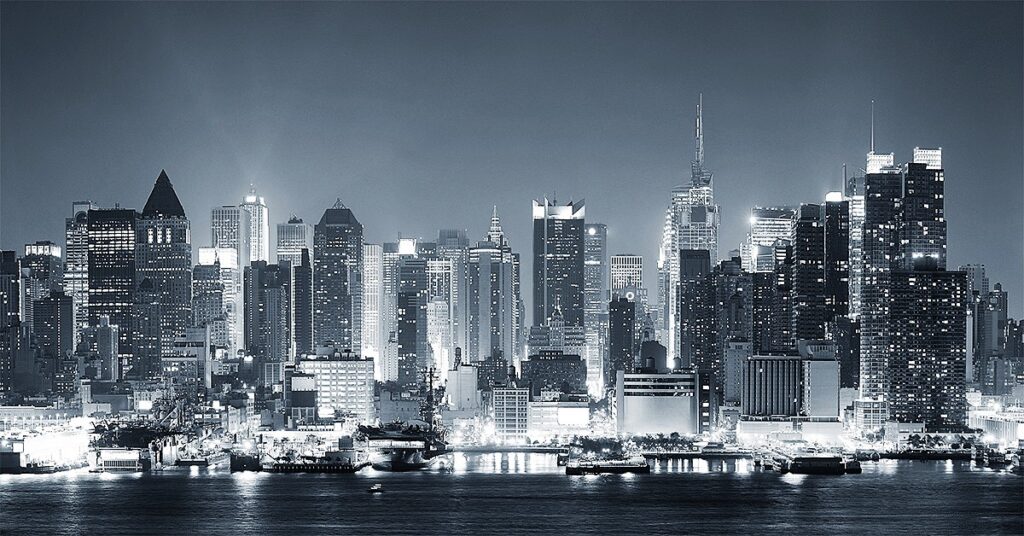
New York City, with its famed Manhattan skyline and the most office towers of any city in the nation, has become a leader in the process of repurposing empty office buildings to new uses, such as residential housing. In a city famous for its housing shortage and surplus of vacant office buildings, converting them to apartments seemed like the perfect answer.
According to a Cushman & Wakefield report, New York conversion starts rose from 1.6 million square feet in 2023 to 5 million square feet in 2025. Earlier this year, the city’s forward conversion pipeline was estimated at 9.8 million square feet.
Such projects, however, come with plenty of challenges. Contractors have to reinforce aging structures and redistribute loads while putting in new plumbing, walls, windows and kitchens. Some buildings need to be expanded to make the deal profitable. The former Pfizer building was even more complex, with four new floors added to the building and the widening of the original structure’s top 15 floors. It was underneath the new expansion that the columns buckled.
Hiccup or harbinger?
It is too early to say whether the Pfizer building incident will have a lasting impact on the national conversion movement. At the start of 2026, office-to-residential conversions across the country were expected to produce more than 90,000 housing units, 28% more than in 2025.
There is no indication that cities are delaying projects for more inspections. Officials in many cities, including Chicago and Washington, D.C., have told news outlets that they remain confident in their oversight and inspection procedures.
New York officials initially set up a so-called “frozen zone” around the Pfizer building, closing hotels, restaurants and other nearby businesses. The area was reopened at the end of July, but restaurants report that the recovery process is slow. The Manhattan district attorney has also begun a criminal inquiry.