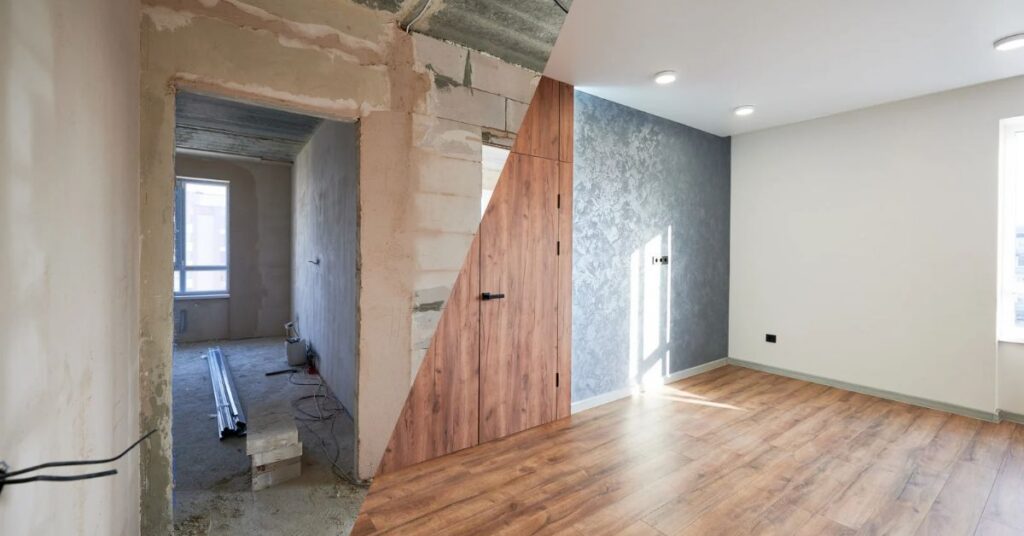
Fix-and-flip real estate investors experienced a challenging third quarter as financing and trade impacts brought on by the Iran war intensified and homebuying demand slowed.
Investors of all sizes reported a more pessimistic outlook for the flipped-home market than they did in the second quarter, according to survey findings released Wednesday by investor-lender Kiavi and housing advisory firm John Burns Research and Consulting.
“The fact that both groups are moving together suggests a significant worsening in sentiment,” read the report.

Mortgage rates for typical 30-year loans soared from around 6.5% at the start of the quarter to 7.3% by the end of September, according to Freddie Mac data. Higher borrowing costs further curtailed demand for flipped homes, which was already subdued because of affordability barriers.
Against a backdrop of rising borrowing costs in 2026 — which also impact investors taking out loans to make new acquisitions — flippers have steadily lost pricing power as home price appreciation has softened nationwide. Price declines are affecting major markets around the U.S., particularly in the South and West.
The combination of these factors pushed the Kiavi and John Burns Fix and Flip Market Index, which measures fix-and-flip market conditions and sentiment, down to 53 in the third quarter, its lowest level in nearly four years. That compared with 59 in the second quarter and 56 a year earlier.
“Build in enough cushion that falling prices and higher labor costs from immigration enforcement don’t erase your margin, particularly in Sunbelt markets,” the report recommended.
Among component indexes, six-month sales outlooks fell nine points during the quarter to 52, just above the 50-point threshold separating positive from negative sentiment.
Sales sentiment typically weakens in the third quarter as the broader housing market enters its slower season. But just 27% of surveyed investors reported “good” sales in the latest survey. That level has been reached only twice since 2021 and compares with 34% in the second quarter.
Of those flippers who did sell properties during the third quarter, about 1 in 5 reported selling for “mostly below” their projected after-repair value, approaching the highest share recorded in survey’s history.
“More flippers note falling prices than rising prices in every region except Northern California,” the report said.
The findings reinforce other reports showing that residential investor sentiment has deteriorated significantly since the start of the year. Homebuying demand has contracted amid higher borrowing costs, stretching out holding periods for investors. Meanwhile, the administration’s tariff and immigration policies have added to project costs.
RCN Capital, a wholesale lender to rental and fix-and-flip investors, reported in October that the ongoing Iran war and the expectation of higher borrowing costs from additional Federal Reserve interest rate hikes were among investors’ most pressing concerns.