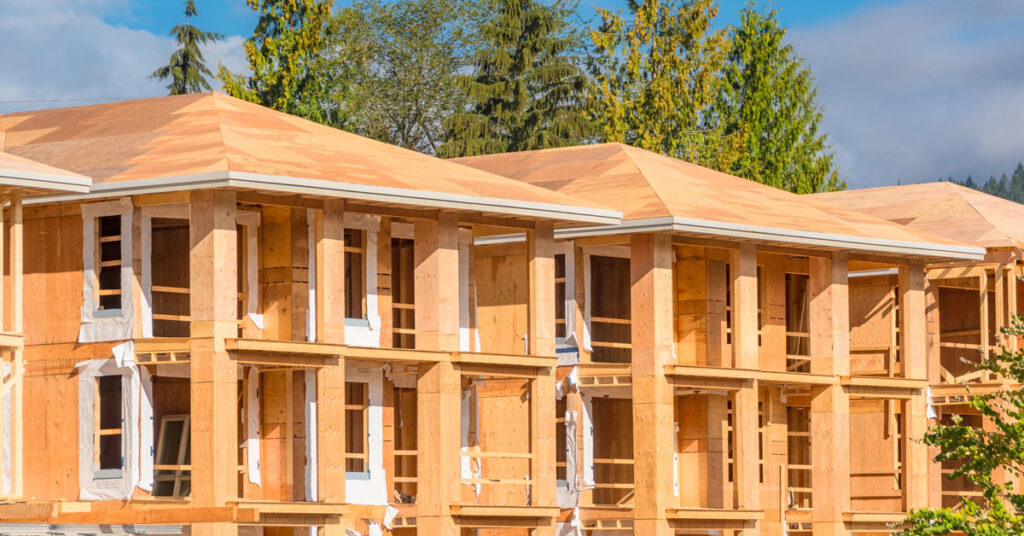
Renters are seeing the benefit of a multiyear construction boom that has produced 35 consecutive months of year-over-year declines in the median asking monthly rent across the 50 largest U.S. metros.
According to Realtor.com’s June 2026 Rent Report, construction in many markets has outpaced demand, leading median rents to fall to $1,692 last month, a 1.5% decrease from a year ago. The report noted, however, “that activity is diverging sharply by market.”
The median asking rent in June was 4.1% below its 2022 peak of $1,764. Even though asking rents continue to decline, they are still 16.4% above pre-pandemic levels, the report noted.

While anticipating a seasonal bump this summer, Realtor.com stated that it expects year-over-year declines —and rent relief — to continue through the remainder of the year.
“This didn’t happen by accident. Builders spent years playing catch-up after the pandemic rent spike, and that supply is why rents have fallen for nearly three years straight,” commented Jiayi Xu, an economist at Realtor.com, in the report.
“Now it comes down to geography: cities like Columbus, Ohio and Orlando are ramping up construction and are set up for more relief, while places like New York and Boston pulled back, which may raise concerns about the affordability path ahead,” Xu continued.
Realtor.com cited New York’s permitting rate of just 1.6 new multifamily units per 1,000 residents in 2025, down from 2.3 in 2019, along with Boston’s permitting rate of 1.1, a reduction from 2 in 2019.
Declining permitting rates in markets like New York and Boston are due to rent-control fights that have kept building in these metros to their slowest pace since 2019. Xu said she found it interesting to see how rent regulation was approached differently among policymakers.
“Rent control and rent freezes can protect the renters already in a unit, but they don’t do anything to bring the market rate down for everyone else,” Xu commented. “Sustainably lower rent comes from more supply, and right now that effort looks very different from city to city.”
Columbus, Ohio, for example, is expected to permit up to 88,000 new rental units over the next decade, an increase partially driven by its “Zone In” zoning reform. Permitting rates in Florida metros have also rebounded to 4.5 permitted units per 1,000 residents in Orlando and 2.6 units in Miami.
Lending credence to its assertion that activity is diverging by market, San Jose, Calif., has posted a similar rebound in permitting, but the market’s median asking rent hit $3,423 in June. This was the highest in Realtor.com’s data history dating back to March 2019, and 3.3% higher year over year.
The report attributed the rise to higher demand fueled by income growth from the AI boom in the Bay Area, which also drove a surge in home price gains in San Francisco during the second quarter.