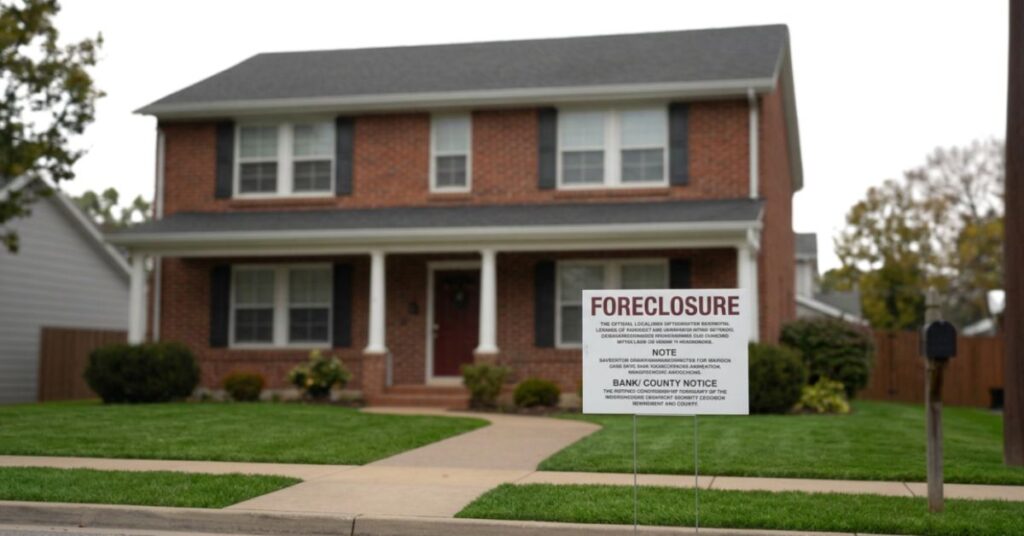
Foreclosures slowed to a crawl in the years during and after the COVID-19 pandemic due to moratoriums and lingering emergency loss mitigation programs rolled out to help keep struggling borrowers in their homes as workplace shutdowns and unemployment spiked.
While the pace of foreclosure starts in May was 35% below May 2019 levels, according to figures published earlier this week by ICE Mortgage Technology, active foreclosure inventory marched steadily higher to a six-year high of 280,000 by the end of the month — about 4,000 above April levels and up 74,000, or 34%, from a year ago.
In research published Tuesday, Realtor.com highlighted how the returning flow of distressed properties to the market can offer pricing discounts to homebuyers, expanding available listing volumes in a slow process of normalization.

“We’re looking at a return to 2019 norms, not anything close to the Great Financial Crisis,” said Joel Berner, senior economist at the listings platform, in a press release accompanying the report. He added that “homeowners feeling it most are the ones who bought at peak prices and are now squeezed by rising insurance, taxes and adjustable-rate payments.”
The share of foreclosure listings rose to 1.3% of all homes for sale in April, a six-year high, according to Realtor.com data. Casting an affordable aura in a historically expensive homebuying environment, foreclosure listings commanded a 27.2% price discount relative to its estimated value as a non-foreclosure property.
For the purposes of Realtor.com’s analysis, foreclosure listings include properties that failed to sell at auction and became real estate owned (REO) properties. The median REO discount has ranged from about 20% to 35% since 2018, the company said.
Real estate analytics firm Attom reported in April that REO sales jumped in the first quarter of 2026 as normalization in foreclosure activity has gained momentum. The 14,020 REO transactions in the first three months of the year represented a 45% increase from a year ago and 2% growth from the fourth quarter.
However, the foreclosure pricing discount also reflects heightened risks buyers may take to land a less expensive purchase in a sea of pricey listings.
As REO properties, foreclosure listings are typically posted by lenders who have repossessed the property and are pricing it to sell quickly. That entails a bare-bones listing approach characterized by 30% fewer photos and a 33% shorter description than standard listings in April, said Realtor.com. Most foreclosures also sell in “as-is” condition, meaning buyers accept the risk for repairs or structural flaws.
Foreclosed properties comprised the highest share of June listings in Lake Charles, La. (10.2%), Tuscaloosa, Ala. (7.7%) and Dayton, Ohio (6%). Alabama accounted for three of the top 10 metros, while Pennsylvania accounted for two.
The largest shares of foreclosure listings among the 100 largest U.S. metros were heavily concentrated in Rust Belt and Mid-Atlantic metros, led by Dayton at 6%, Pittsburgh at 5.3%, Baltimore at 5.1%, New Orleans at 5.1% and Philadelphia at 4.7%.
The steady growth in foreclosure inventory has largely been attributed to growing distress among government mortgage borrowers with Federal Housing Administration loans, industry data broadly shows. Experts have told Scotsman Guide that a wave of FHA short sales is expected to hit the market in 2026 and 2027.