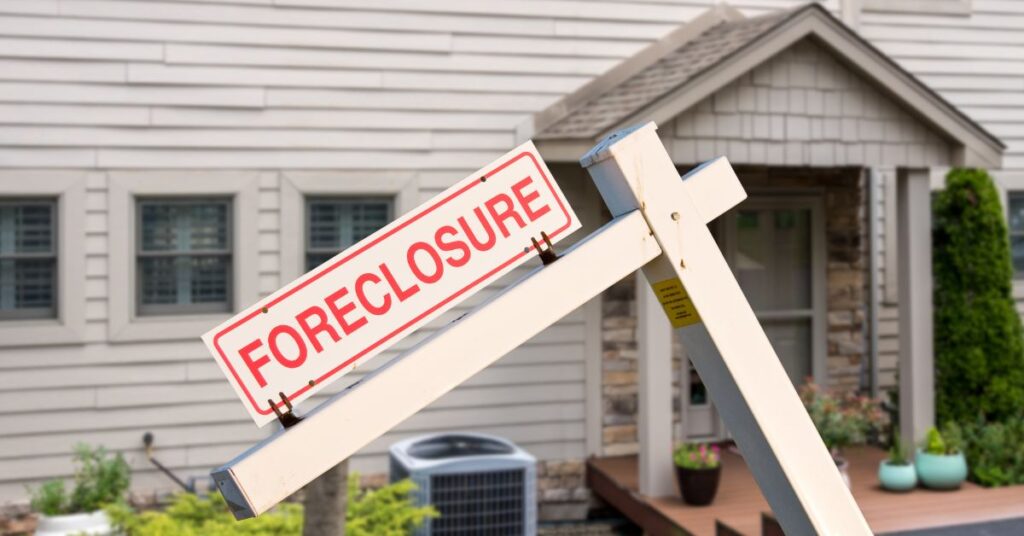
Foreclosure filings continued a steady climb in the first quarter, a trend toward what mortgage industry watchers describe as “normalization” following the artificially low levels during the COVID-19 pandemic and its immediate aftermath.
Roughly 118,727 U.S. properties had a foreclosure filing during the first three months of 2026, up 6% from the fourth quarter and 26% from the same period a year ago. Foreclosure filings in March were 18% higher than February and were 28% higher over the year, according to real estate analytics firm Attom.
“While volumes remain below historical peaks, the continued rise, especially in starts and bank repossessions, suggests financial pressure may be building for some homeowners and could signal shifting housing market dynamics,” commented Rob Barber, CEO of Attom, in a statement accompanying the firm’s first-quarter foreclosure report, released Thursday.

First-quarter foreclosure starts totaled more than 82,600, a 7% increase from the previous quarter and up 20% year over year. Combining for more than 28,700 new filings, Texas, Florida and California comprised almost 35% of the quarterly expansion.
Metro areas with populations of at least 200,000 people that posted the worst foreclosure rates in the first quarter included Lakeland, Fla., where 1 in 409 units had a foreclosure filing; Punta Gorda, Fla. (1 in 416 homes); and Columbia, S.C. (1 in 440 homes). Nationwide, approximately 1 in 1,211 housing units had a foreclosure filing in the first quarter.
As financial stress spreads across some demographics of borrowers, lender repossessions or real estate owned (REO) transactions on foreclosed properties have jumped 45% from a year ago, to 14,020 transactions in the first quarter. That represents 2% growth from the fourth quarter, though it still took an average of 577 days for properties with foreclosures completed in the first quarter to go through the process.
Among states with 100 or more lender repossessions in the first quarter, those that observed the largest annual increases were Colorado, which jumped from 99 to 321; Alabama, which increased from 153 to 355; Washington, which climbed from 104 to 224; Oregon, which more than doubled from 80 to 170; and Florida, which saw lender repossessions rise over the year from 487 to 1,014.