Even if short-term improvements in housing affordability emerge in coming years, long-term trends suggest a return to affordability standards of the 1990s and 2010s is “structurally out of reach,” according to newly released research.
Sustained population growth, chronic underconstruction and evolving demographic preferences have reshaped the national housing landscape over the past 15 years, reported dv01, a data analytics platform owned by Fitch Solutions.
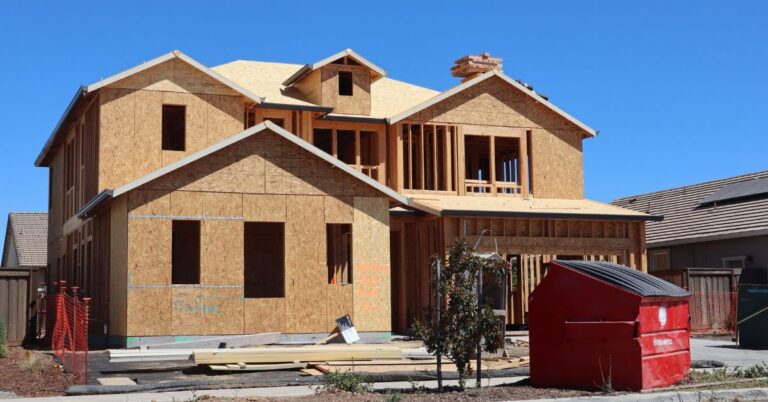
Housing starts have lagged household formations by 3 million units since 2010, the report found. To account for data discrepancies, dv01 also quantified the housing supply shortage by the ratio of household formations to single-family permits, which narrowed the estimated gap to 2.1 million units. Housing permits are a future indicator of housing starts but exceeded starts by an average of about 7% over the past five years.

“The challenges confronting younger households are not isolated; rather, they are symptomatic of structural imbalances that have been building for decades,” dv01 found, adding that rising financial thresholds for homeownership “may be an unfortunate byproduct of the economic and social conditions that define advanced societies.”
As a result of these and other housing policy choices across administrations, the U.S. has allowed deeply embedded affordability pressures to compound across the housing ecosystem, from underconstruction to home-price inflation to rising rents and ancillary housing costs.
“The intent is not to suggest that outcomes are fixed, but that the forces driving affordability challenges are deep, persistent, and not easily reversed through incremental policy adjustments alone,” dv01 explained. “Nor do we believe the problem is entirely unsolvable. Instead, the appropriate conclusion is that meaningful progress requires both sustained effort and an honest recognition of the constraints involved.”
Multidecade shifts in household consumption patterns, rather than an inability to simply catch up on new-home construction, underpin the company’s projections.
All age groups have put proportionally more of their consumer spending into housing over the past three decades. But the trend is particularly pronounced among consumers between 18 and 24 years old, who now put 36% of their spending toward housing costs, versus about 32% in 1995.
By common thresholds like price-to-income ratios and mortgage payment-to-income ratios, “housing reached peak affordability in the early to mid-2010s,” says dv01. This trend was driven by softening in home prices following the 2008 housing crisis and mortgage rates that fell to record-low levels of between 3.5% and 5.5% from 2011 to 2020.
“This combination created unusually favorable purchasing conditions across a broad set of metropolitan statistical areas, producing some of the most affordable housing conditions observed in modern data,” noted the report, with a major caveat — aggregate housing expenditures reported in the Census Bureau data “declined only modestly” after the crisis period.
In other words, typical consumers were still spending an outsized share of their overall expenditures on housing-related costs.
An inverse phenomenon is currently underway, dv01 said. A substantial portion of current borrowers with ultra-low pandemic-era fixed-rate mortgages remain insulated from higher borrowing costs, driving down aggregate shelter costs despite the costlier environment today for prospective first-time homebuyers.
“For prospective buyers and new renters, the combined impact of higher prices and higher rates is immediate and significant, reinforcing the structural affordability constraints evident in today’s market,” the report concluded.