When Federal Reserve officials decided to raise interest rates by a quarter of a percentage point in September, most also expected another rate hike before the end of 2026, according to meeting minutes released Wednesday.
“With regard to the outlook for monetary policy beyond the current meeting, most participants assessed that another increase in the target range for the federal funds rate would likely be appropriate by year end,” the Federal Open Market Committee (FOMC) minutes read.
Meeting participants generally agreed that inflation remained too high, but differed over their rationales for the rate hike, the minutes show.
Some viewed September’s monetary tightening as a “risk management” cut, “providing insurance against inflation remaining persistently above target due to stronger-than-expected demand or further adverse supply shocks.”
Others emphasized that a higher policy rate would “help prevent sector-specific price increases stemming from energy market disruptions and AI-related demand from broadening out and generating more persistent inflation dynamics.”
And several participants “viewed the current policy rate as not restrictive or only mildly restrictive.”
But Fed staffers overshot the mark on their estimates of August inflation readings, predicting headline inflation measured by the personal consumption expenditures (PCE) price index would be 3.6% on a 12-month basis and core inflation less food and energy prices would be 3.2%.
Government data released two weeks after the Fed’s Sept. 16 rate decision showed headline PCE inflation at 3.4% and core inflation at 3%. Both figures were lower than consensus estimates, as economists polled by Reuters and Dow Jones had forecast overall annual growth of 3.7% and core gains of 3.3%.
October rate hike increasingly unlikely
Besides PCE inflation coming in below consensus, a weak September jobs report has bolstered the case for the Fed holding interest rates steady at the upcoming two-day FOMC meeting, which concludes Oct. 28. The central bank has a two-sided mandate to support stable prices and full employment.
U.S. employers added just 29,000 nonfarm jobs in September, the Bureau of Labor Statistics reported on Oct. 2, landing well below consensus forecasts north of 80,000. The BLS also downwardly revised a combined 60,000 jobs from the prior two months’ payroll estimates.
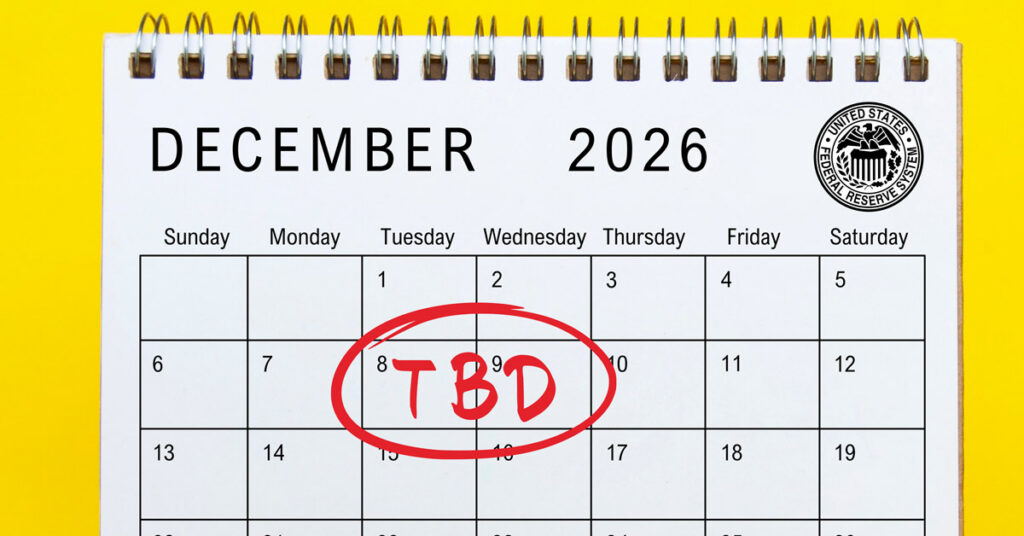
Those data points have helped lower the odds of an October rate hike to just 17% as of Wednesday, according to CME FedWatch. The tool, which tracks futures contracts tied to the target range of the benchmark fed funds rate, puts the probability of a December hike at 84%.
Another reason for the anticipated rate hold: Midterm elections are looming in November.
While the Federal Reserve operates outside the political sphere, it has historically been careful to avoid the appearance of influencing the political narrative. When rate cuts or hikes have occurred just prior to a national election in the past, they have tended to be controversial.