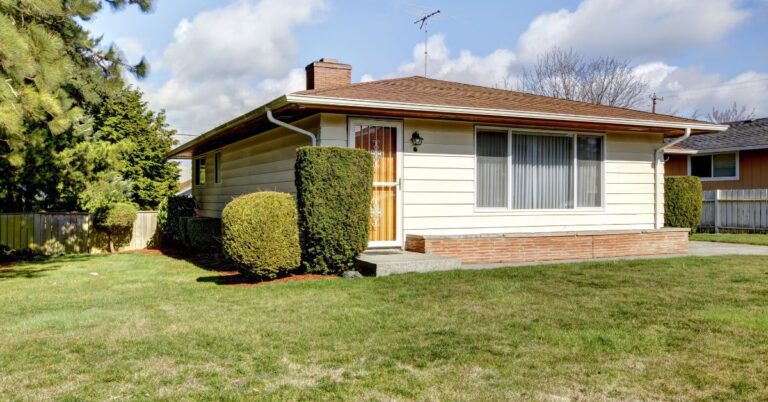

Since early 2020, the rate of first-time homebuyers has been low, prompting mortgage industry observers to question potential causes of their falling purchase share.
The homeownership rate of young adults — those between the ages of 25 to 34 — fell from 42% in 2000 to 32% in 2025, according to U.S. Census Bureau data.
These are the ages when many first-time buyers historically have entered the market, according to Sam Williamson, senior economist at title insurance giant First American Financial Corp, who set out to understand why this demographic has recently struggled to achieve homeownership.

“For adults ages 20 to 24, buying a home has historically been rare, but the steps that precede it are changing,” said Williamson, in commentary shared with Scotsman Guide on Wednesday. “In 2025, nearly half lived with parents, up from 43% in 2000.”
Studying 35 years of census data, Williamson and First American concluded that many potential first-time buyers are living with parents longer and delaying household formation altogether.
The delay isn’t only impacting homebuying.
“Over the same period, the renter share fell from 30% to 24%, while the owner share remained in the single digits,” said Williamson. “This shift matters because more young adults are delaying the move into independent living, pushing the path to homeownership further out.”
It doesn’t help that home prices have far outpaced wage gains over the past 60 years, locking middle-class borrowers out of homeownership. A report by AD Mortgage in May looked at government data that showed that in the late 1960s, there was a roughly 3-to-1 median home price to median household income.
But by the early 2020s, that had risen to a home price-to-income ratio of 5.27, according to the AD analysis.
The share of first-time homebuyers reached its highest level in six years this March, even as mortgage rates on typical 30-year home loans have climbed to the mid-6% range since the start of the Iran war in late February. One key reason that young adults are postponing independent living is historic home purchase affordability challenges that are keeping them from moving to their next phase — whether that is renting or homebuying.
“Today’s renters may become tomorrow’s buyers, but tomorrow is arriving later in life. Some of that delay is structural, as school, work, and family milestones have shifted later into adulthood. But there are still opportunities to unlock pent-up ownership demand, especially among renters in their early 30s who have already formed households,” Williamson stated. “For that group, affordability matters more directly.”